No matching pest. Try a broader word, or contact the office for advice.
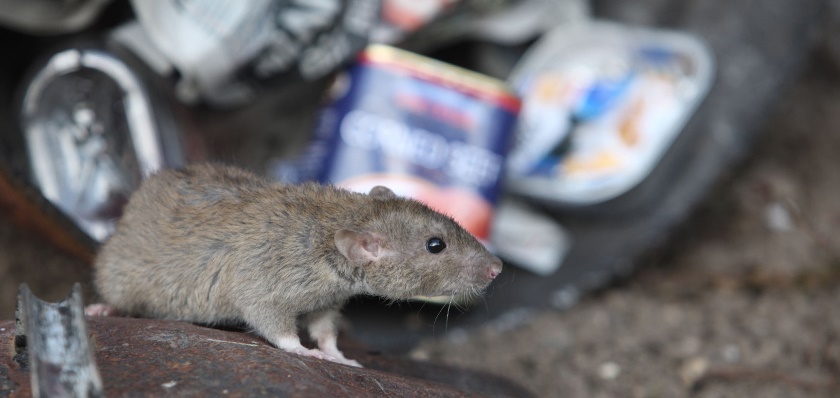
Rats and mice
The brown rat is the species most often found across the UK. It can weigh more than half a kilo and measure about 23 cm without the tail. Mice and field mice move indoors when the weather turns. Droppings, gnawing and grease marks along runs are the usual clues. A professional visit matters because incorrect baiting can fail and can harm other animals.
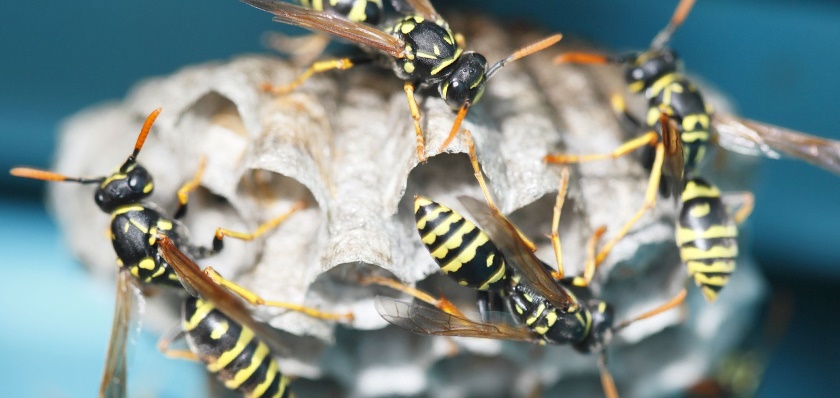
Wasps and bees
A wasp nest near a door, school or food site is a public health issue. Bees are different: Britain has a large number of bee species, including many bumblebees, and pest controllers should not treat them unless there is a clear reason. If you are unsure which insect you have, send a description before anyone sprays.
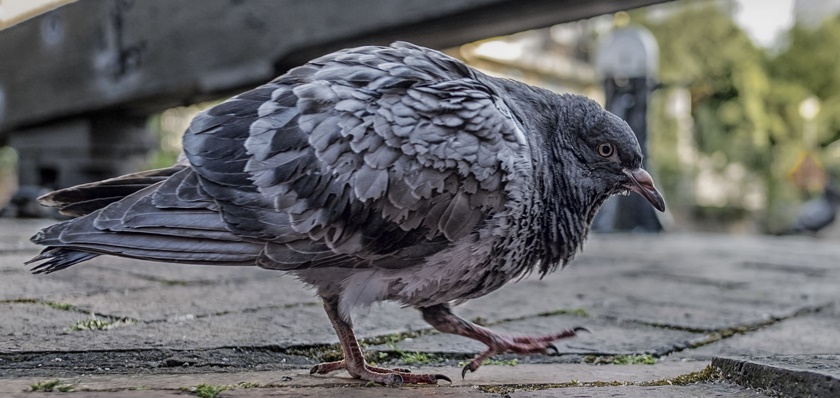
Urban birds
Pigeons and gulls foul ledges, block drains and can carry insects into buildings. Proofing, netting and habitat changes work better than a one-off clearance. All wild birds are protected, so the method has to be legal as well as effective.
Insects
Bed bugs
Reddish brown spots on bedding and bites overnight are classic signs, but bed bugs are not limited to mattresses. They hide in bed frames, luggage and soft furnishings. Early treatment, including preparation of the room, stops a small introduction becoming a building-wide problem.
Insects
Cockroaches
They favour warm, humid voids: the back of a fridge, ducting, and commercial kitchens. Seeing one in daylight often means many more are hidden. Hygiene alone rarely finishes an infestation; a planned treatment and follow-up does.
Insects
Fleas
A pet that suddenly scratches, or small insects jumping on the carpet, usually means fleas. Eggs fall into flooring, so treating only the animal leaves the next generation behind. Vacuums, laundry and a coordinated treatment of pet and premises work together.
Insects
Ants
The black garden ant, actually very dark brown, is the species that most often enters houses. A narrow waist and elbowed antennae mark ants out from other small insects. Trails to food are the clue. Baits placed on the trail reach the nest more reliably than spraying the ants you can see.
Insects
Flies
Blow flies, including bluebottles, lay large numbers of eggs on decaying matter. Cluster flies gather in roof spaces in autumn to hibernate and reappear in spring. House flies contaminate food as they feed. Screens, waste control and targeted treatment each have a place.
Textiles
Moths and carpet beetles
Clothes moths fold their wings tent-wise. The common clothes moth is small, with pale golden wings. Carpet beetle larvae, sometimes called woolly bears, now damage more British textiles than moths do. Check undisturbed wool, feathers and stored clothes, and clean before you treat.
Stored product
Beetles
Biscuit beetles turn up in food stores and kitchens. Flour beetles are small, reddish brown, and arrive in cereal packaging. Wood-boring species such as furniture beetle and death watch beetle damage timber, especially in older buildings. Identify the insect before you treat the structure.
Nuisance wildlife
Foxes and squirrels
Urban foxes scavenge bins and can dig under sheds. Grey squirrels enter roofs and strip insulation. Both need legal, proportionate action. Proofing and removing the food source usually do more than a single removal, because a vacant site is quickly reoccupied.
Spiders
False widow spiders
Several Steatoda spiders are mistaken for black widows. Their bite can be painful, but they are not the species of lurid headlines. Most spiders in a British house are harmless. If bites are suspected, keep the specimen for identification and seek medical advice for the wound itself.